
Fiber Analysis: Qualitative
1. Grouped By Generic Classifications of Textile Fibres
|
Natural Fibers |
|||
|
a. |
b. (Natural |
c. |
|
|
1. Cotton Akund Kapok
|
1.
|
·
|
|
|
2. Bombyx Tasar
|
|||
|
2. I. Low Lignin Content Linen or Flax Ramie II. High Lignin Content Jute Mesta Rosella True Hemp Sunn Hemp
|
|||
|
3. Alpaca Camel Cashmere Horse llama Mohair Rabbit Vicuna Yak
|
|||
|
3. Manila Sisal
|
|||
|
4. Coir
|
|||
Group 2 – Man-Made Fibers
|
Man Made Fibers |
||
|
a. |
b. |
|
|
1. Viscose Cuprammonium Acetate Polynosic High-Wet
|
1. Nylon Nylon Nylon Etc…
|
|
|
2. Terylene Terene Dacron Etc…
|
||
|
2. Casein Groundnut Zein
|
||
|
3. I. Pe Ce Rhovyl Etc… II. Vinylon Vinyon III. Vinyon Dynel IV. Orlon Acrilan V. Vinylon Kuralon VI. Styroflex Polyfil Etc.. VII. Saran Velon
|
||
|
4. I. Polythene II. Reevon
|
||
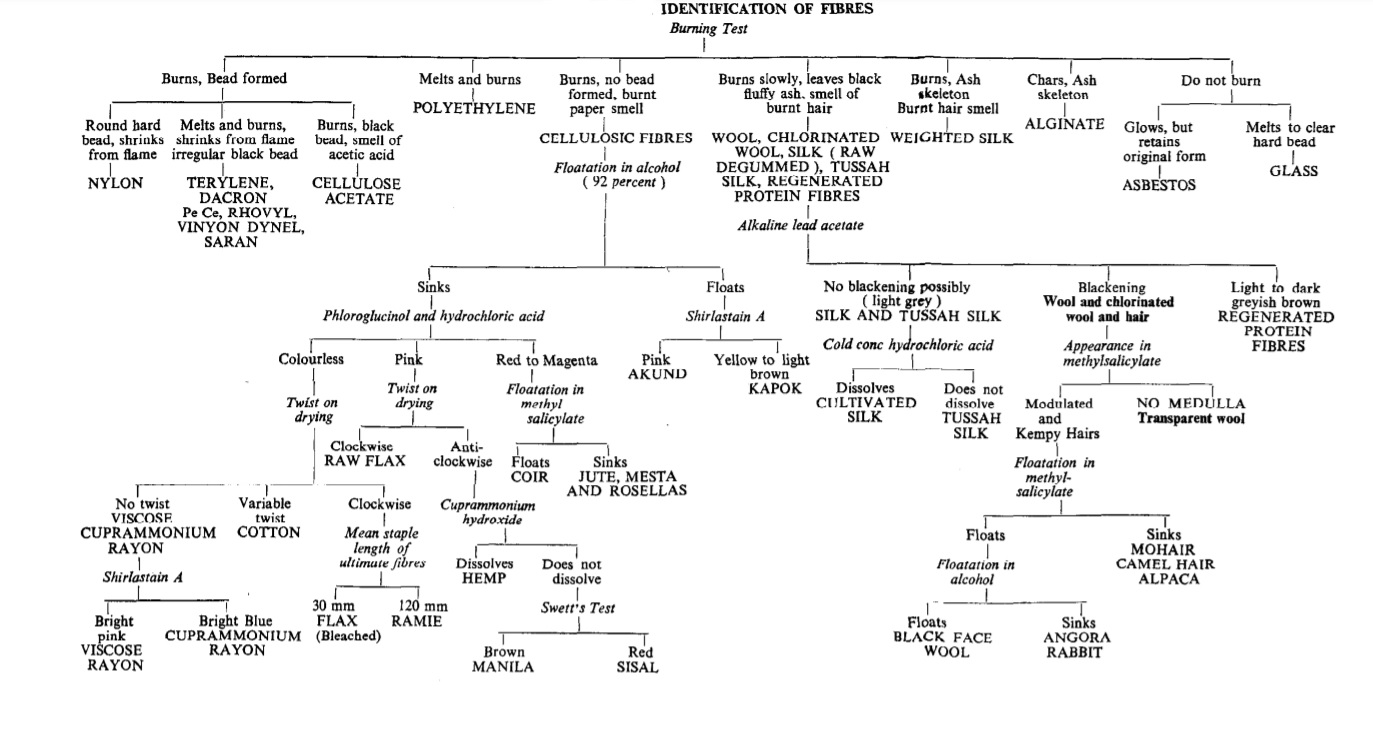
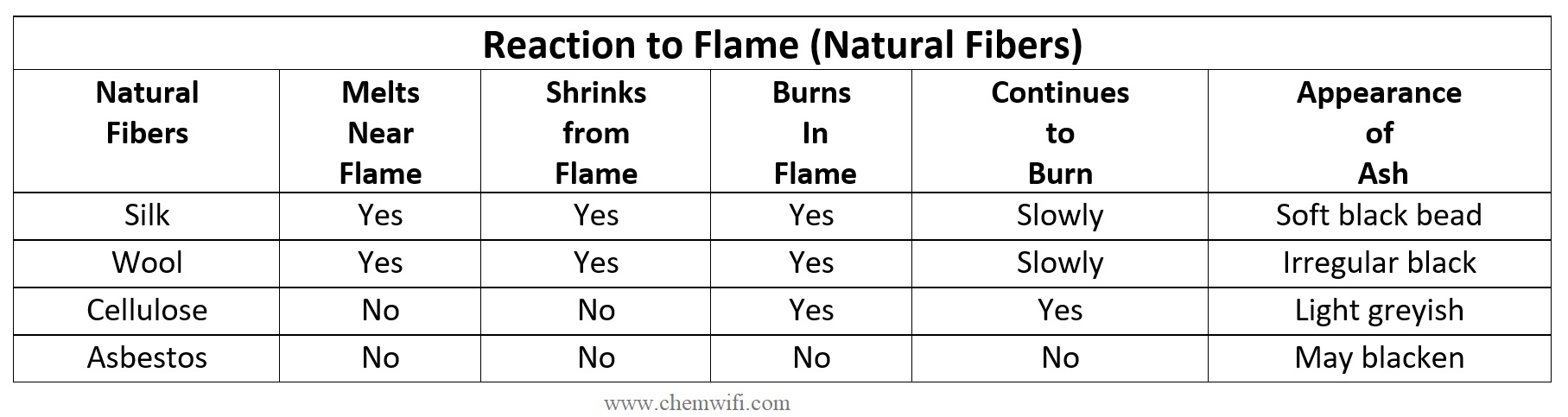
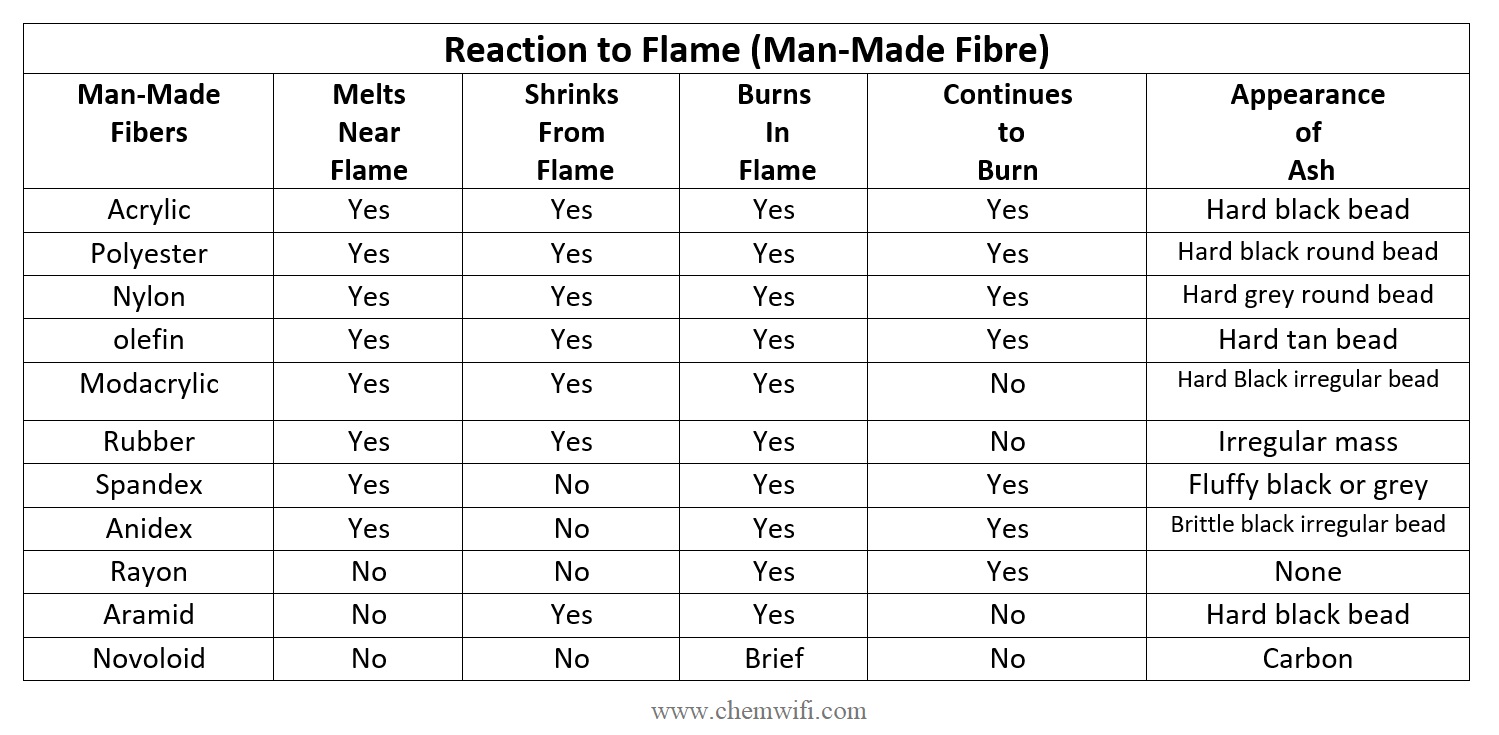
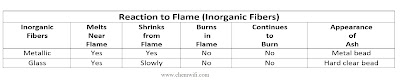
2. Fibre identification by Burning Test-
Reaction to Flame
3. Fibre identification by Density
Identification Density & Melting
|
||
Natural Fibre |
Density g/cc |
Melting Point ℃ |
Asbestos (chrysotile) |
2.1-2.8 |
Over 350 |
Cellulose |
1.51 |
none |
Silk |
1.32-1.34 |
none |
Wool & Other Hair |
1.15-1.30 |
none |
Identification Density & Melting
|
||
Man-Made Fibre |
Density g/cc |
Melting Point ℃ |
Acetate, Secondary |
1.32 |
260 |
Acetate, tri |
1.30 |
288 |
Acrylic |
1.12-1.19 |
none |
Anidex |
1.22 |
Softens at 190℃ |
Aramid |
1.38 |
Char at 400℃ |
Azlon |
1.30 |
none |
Modacrylic |
1.30 or 1.36 |
188 or 120 |
Novoloid |
1.25 |
none |
Nylon |
1.12-1.15 |
213-225 |
Nylon 6,6 |
1.12-1.15 |
256-265 |
Nytril |
1.20 |
218 |
Polyester |
1.38 or 1.23 |
250-260 or 282 |
Polyethylene |
0.90-0.92 |
135 |
polypropylene |
0.90-0.92 |
170 |
Rayon |
1.51 |
none |
Rubber |
0.96-1.06 |
none |
Saran |
1.70 |
168 |
Spandex |
1.20-1.21 |
230 |
Vinal |
1.26-1.30 |
– |
Vinyon |
1.34-1.37 |
230 or 400 |
Identification Density & Melting
|
||
Inorganic Fibre |
Density g/cc |
Melting Point ℃ |
Metallic |
Varies |
Over 300 |
Glass |
2.4-2.6 |
850 |
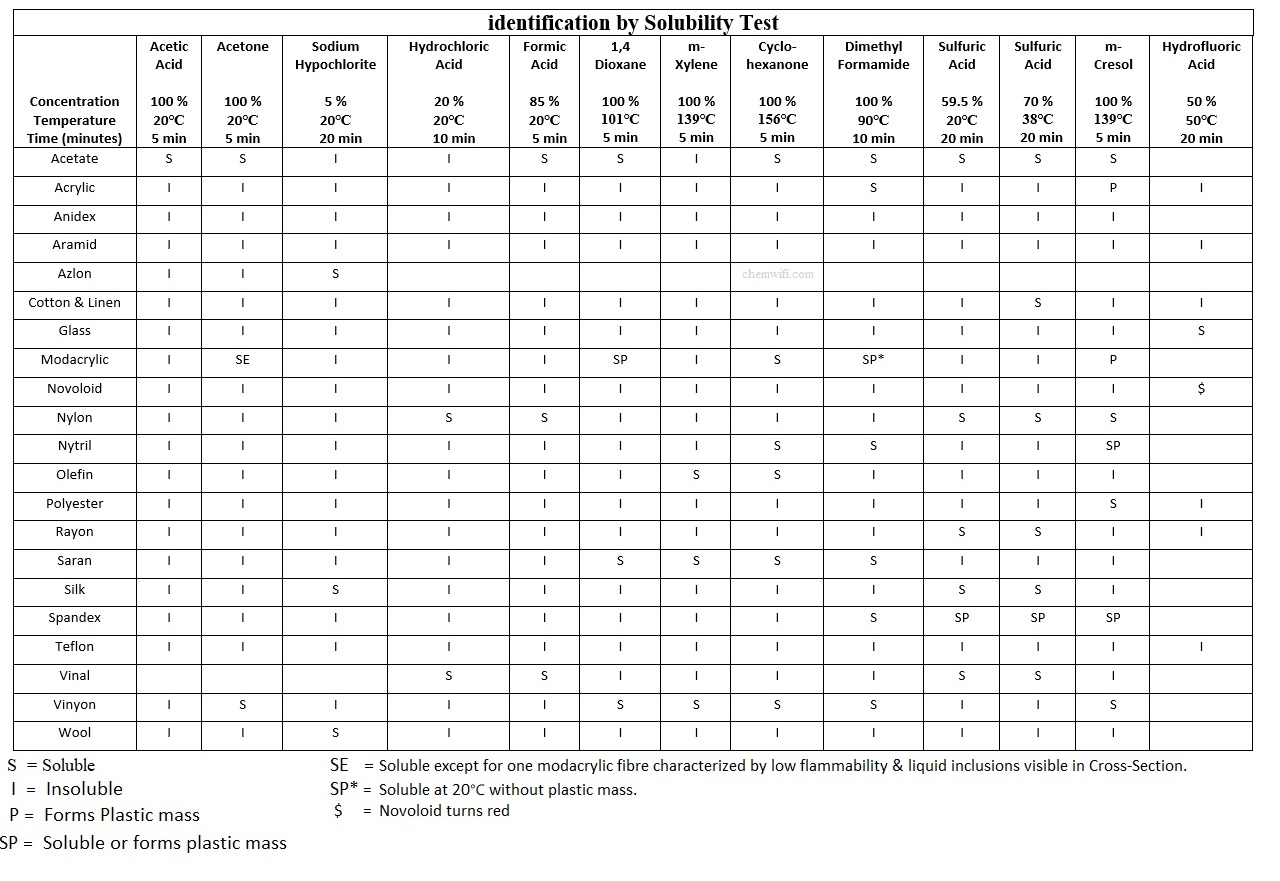
4. Fibre identification by Solubility Test
Floatation Test –
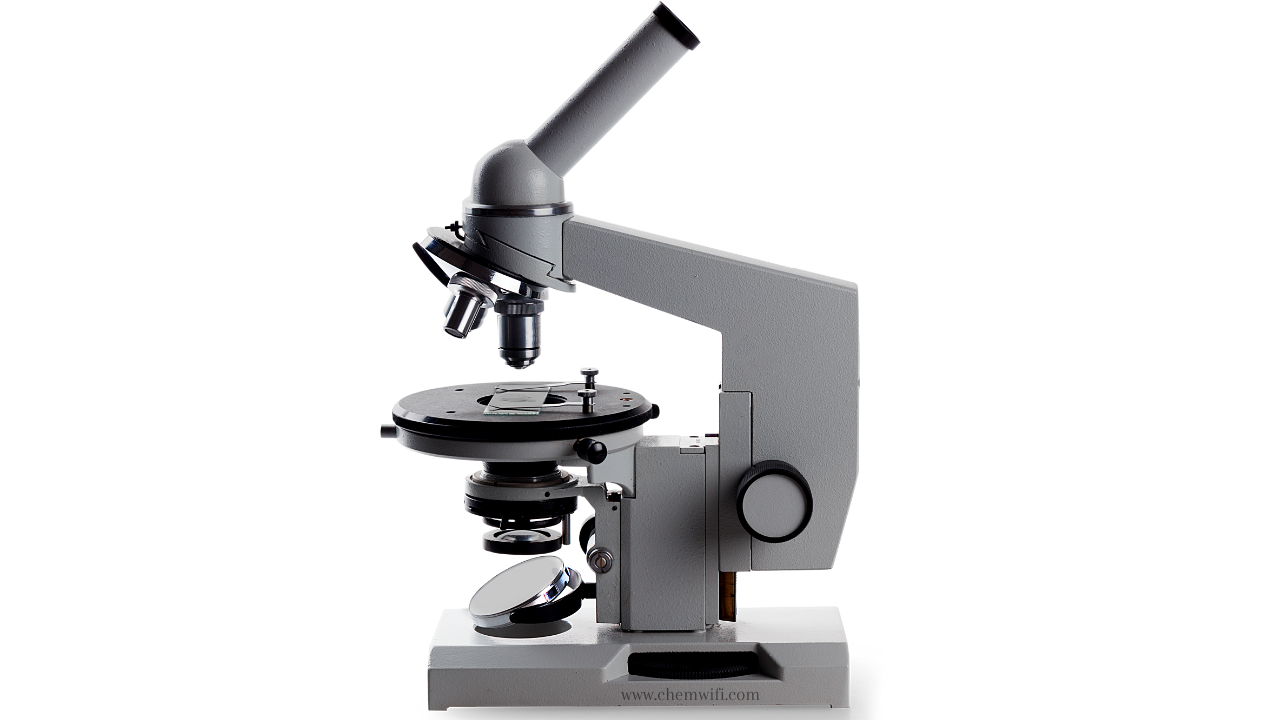
5. Fibre identification by Microscope
Microscopic Analysis
Photomicrographs of Common Textile Fibers
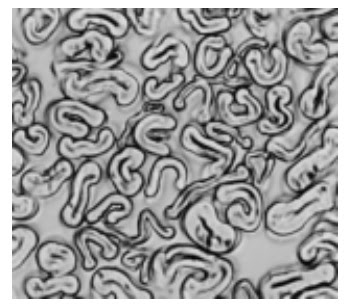
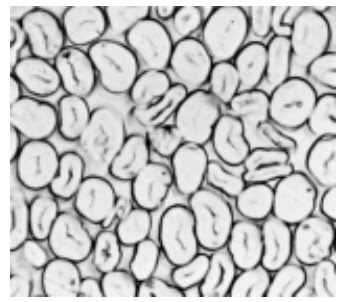
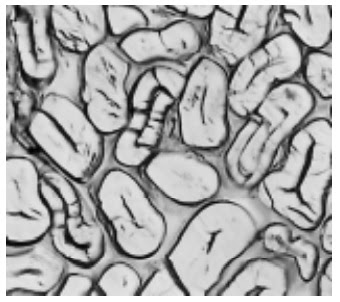
Cross-Section 500X – Cotton fibre (mercerized)
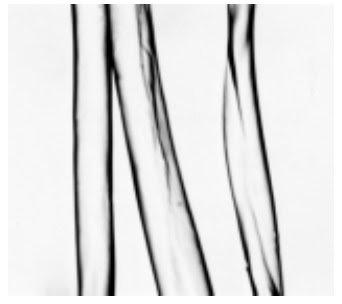
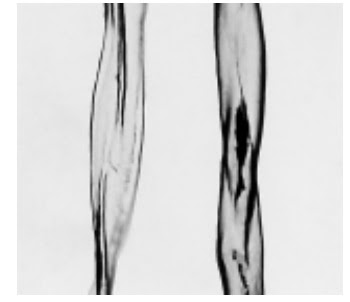
Longitudinal View-500X – Cotton fibre (mercerized)

Cross-Section-500X Flax fibre
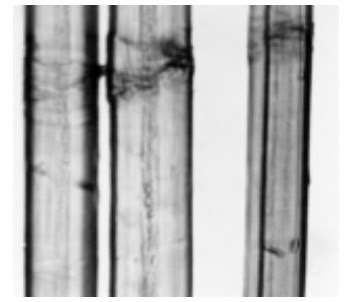
Longitudinal-View-500X-Flax fibre

Cross-Section-500X- Hemp fibre
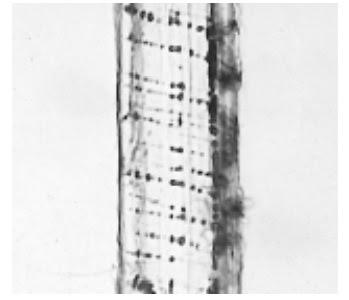
Longitudinal-View-500X-Hemp fibre

Cross-Section-500X- Jute fibre
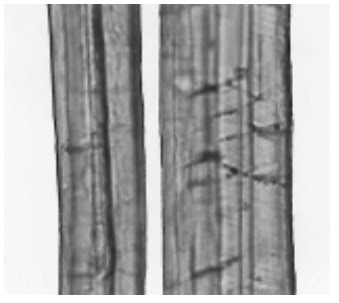
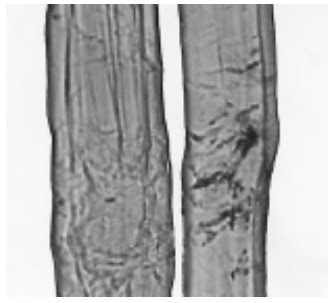
Longitudinal-View-500X-Ramie fibre
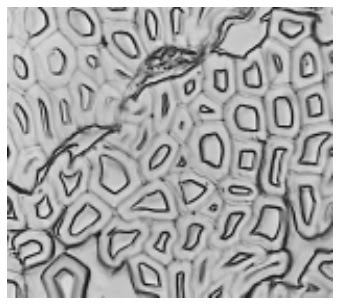
Cross-Section-500X- Sisal fibre
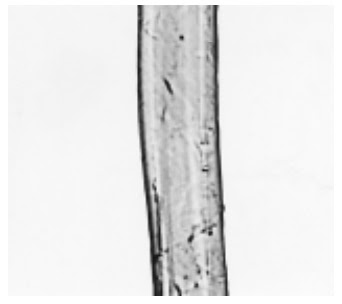
Longitudinal-View-500X-Sisal fibre

Cross-Section-500X-Abaca fibre
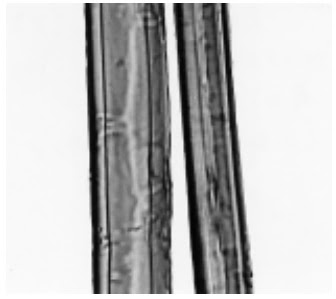
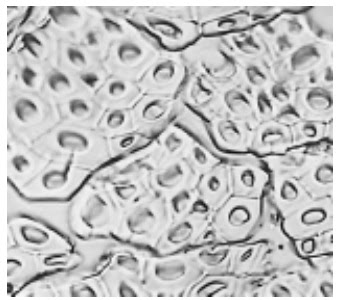
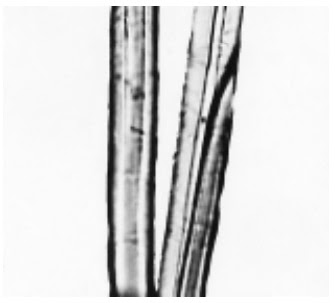
Longitudinal-View-500X-Kenaf-fibre
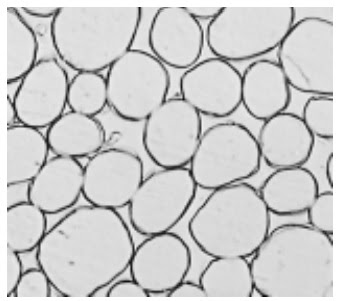
Cross-Section-500X-Wool-fibre
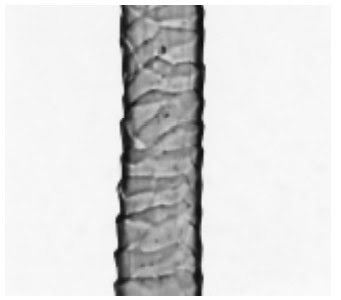
Longitudinal-View-500X-Wool fibre

Cross-Section-500X-Mohair fibre
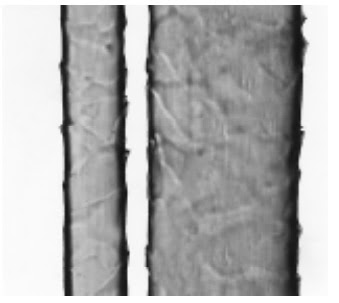

Cross-Section-500X-Phormium-fibre

Longitudinal-View-500X- Phormium fibre

Cross-Section-500X- Cashmere fibre
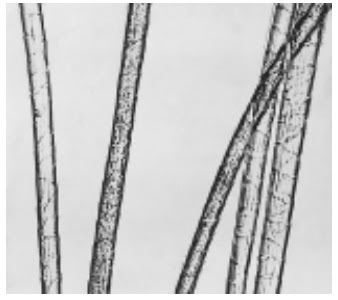
Longitudinal-View-240X- Cashmere fibre
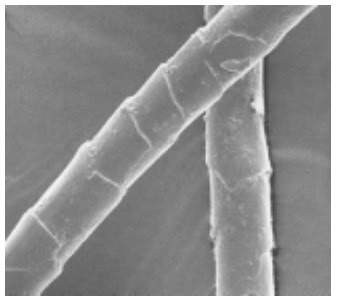
Longitudinal-View-1500X- Cashmere fibre

Cross-Section-500X-Camel hair

Longitudinal-View-500X-Camel-hair-fibre

Cross-Section-500X-Silk-fibre
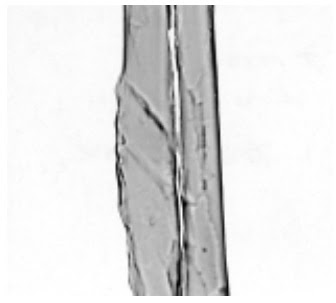
Longitudinal-View-500X-silk-fibre
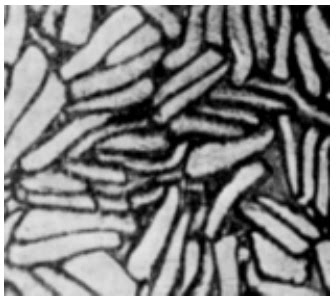
Cross-Section-500X-Silk-tussah-fibre
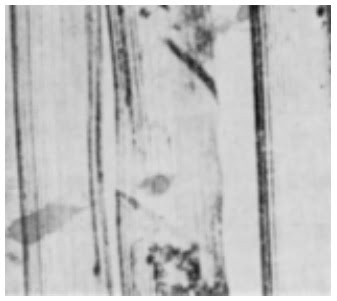
Longitudinal-View-500X-silk-tussah-fibre
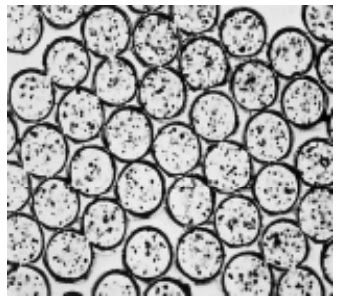
Cross-Section-500X- Polyester fibre
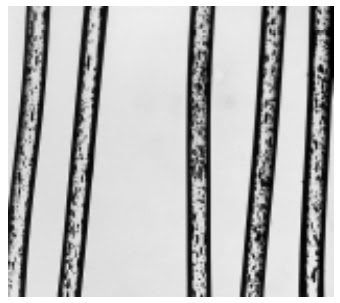
Longitudinal-View-250X-Polyester-fibre
